Data Conversion
Online calculator — enter the values and get the result instantly, with the formula and a worked example.
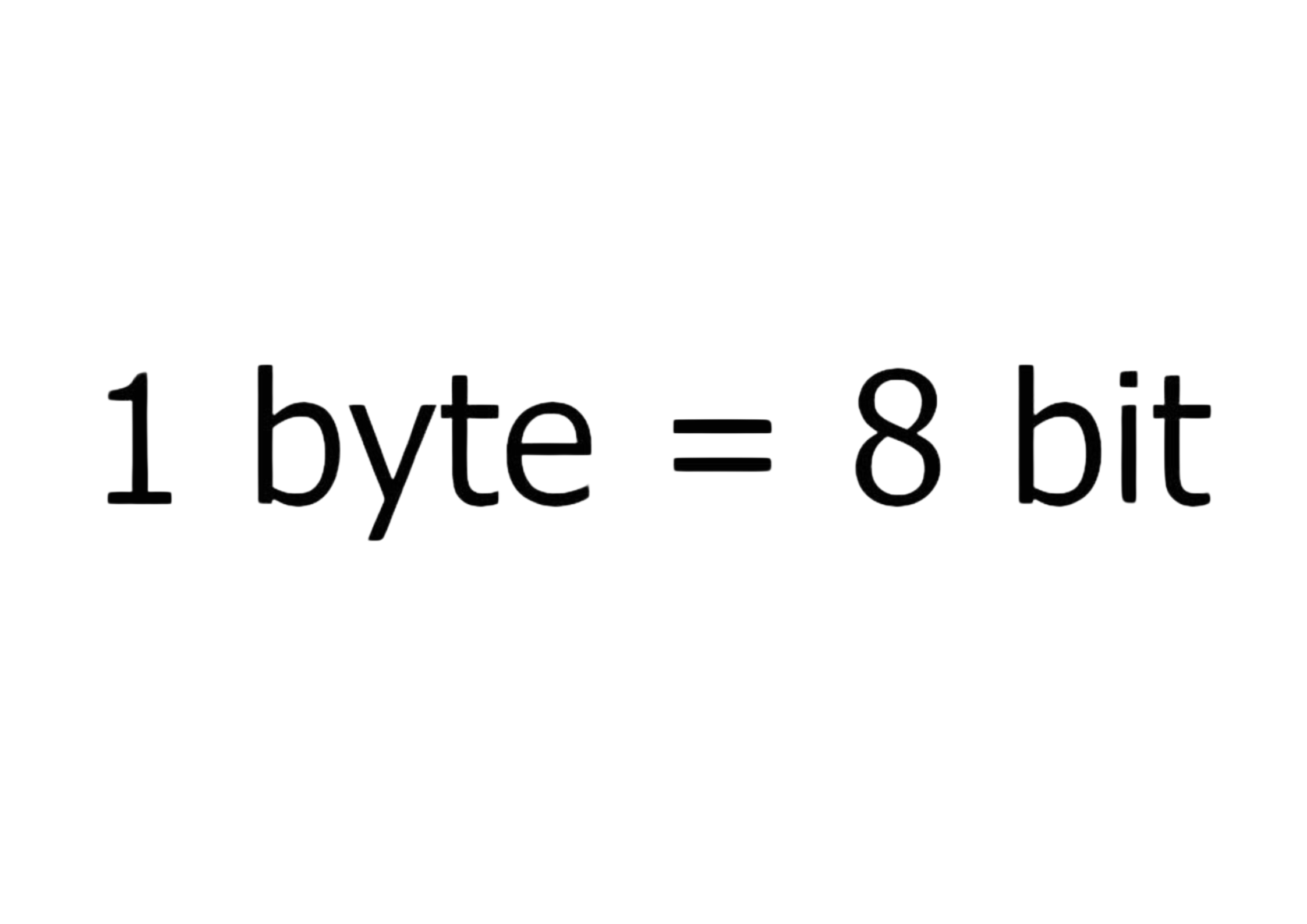
A digital data unit measures the amount of information a computer stores, processes, or transfers. The smallest unit is the bit, which holds a single binary value of 0 or 1, and eight bits together form one byte. A single byte can represent 256 distinct values, which is enough to encode one character such as a letter, digit, or symbol. Because raw bytes are tiny, larger quantities are expressed in multiples like the kilobyte, megabyte, gigabyte, and terabyte. Here a subtle catch appears: decimal units (KB, MB, GB) count in powers of 1000, while binary units (KiB, MiB, GiB) count in powers of 1024, which is why a "1 TB" drive shows less usable space in your operating system.
These units appear everywhere in daily life, from file sizes and memory chips to internet speeds and mobile data plans. Converting between them lets you compare storage capacities, estimate download times, and understand exactly how much room your photos, videos, and documents really need.
Solve it step by step — the next step unlocks only after a correct answer. You can type decimals with a dot or a comma.
