Online calculator — enter the values and get the result instantly, with the formula and a worked example.
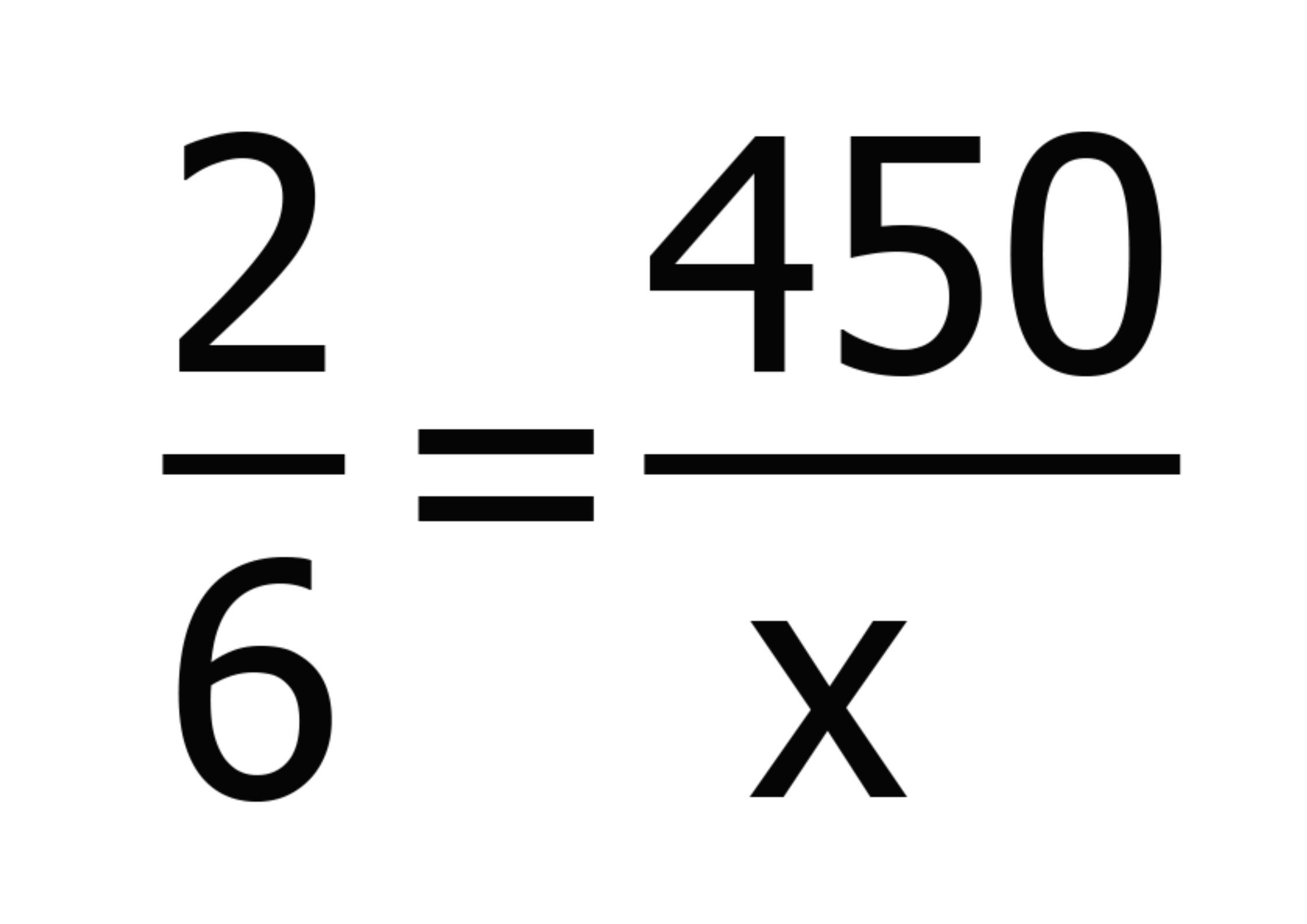
The rule of three is a classic arithmetic technique for finding an unknown fourth value from three known ones when the quantities are linked by direct proportionality. Two quantities are in direct proportion when their ratio stays constant: as one grows, the other grows by the same factor, and as one shrinks, the other shrinks in step. So if you double or triple the first quantity, the second doubles or triples as well, and halving one halves the other. This steady, one-to-one relationship is what makes the method so reliable and easy to apply. In practice you line up the known pair and the unknown, then scale across using that fixed ratio to reach the answer. It is used everywhere in everyday life and work — adjusting a recipe for more servings, converting currencies or units, computing prices per quantity, or estimating fuel and material needs. Because it turns proportional reasoning into a quick, mechanical step, the rule of three is one of the most useful tools taught in basic mathematics.