Online calculator — enter the values and get the result instantly, with the formula and a worked example.
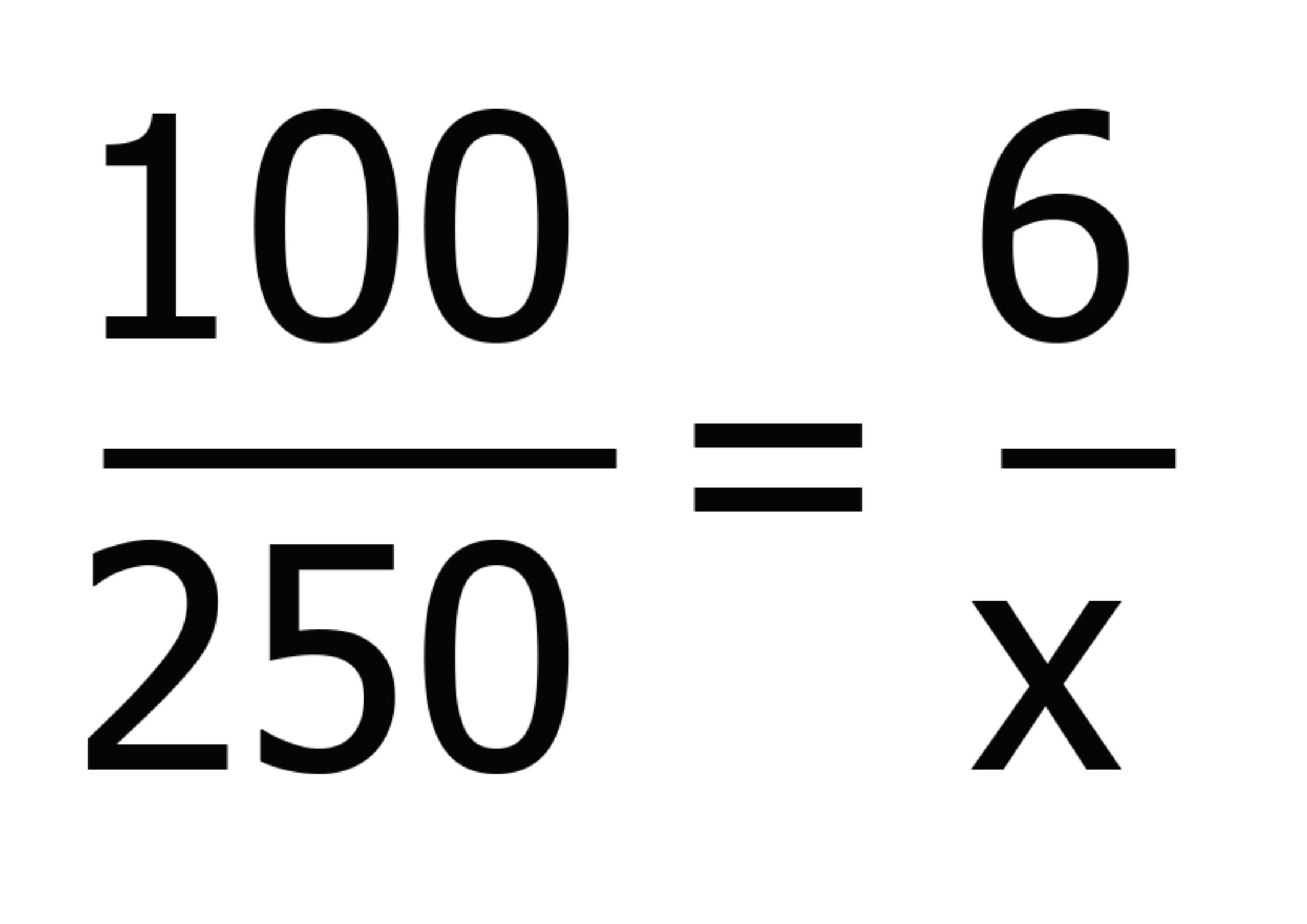
The rule of three for inverse proportion is a straightforward method for finding an unknown value when two quantities are related so that one grows as the other shrinks. Two quantities are inversely proportional when their product stays constant: as one value increases, the other decreases by the same factor. If you double the first quantity, the second is halved; triple it, and the second drops to a third. This is the opposite of direct proportion, where both quantities rise and fall together, so it is important to recognise which relationship you are dealing with before you calculate. Classic examples include the number of workers and the time needed to finish a job, or speed and the travel time over a fixed distance — more workers or higher speed means less time.
You typically know three of the four values and solve for the fourth by keeping the product of each pair equal. The method matters because inverse relationships appear everywhere in everyday life, from planning schedules and sharing costs among more people to physics problems involving pressure, volume, or gears. Its lasting appeal is that it turns a real proportional situation into a quick, reliable calculation without any advanced mathematics.